
Mark Miller Subaru South Towne

Blog / Subaru How To

How to Adjust Your Subaru's Rear Gate Height

How to Adjust Your Subaru’s Rear Gate Height

How to Adjust Your Subaru's Rear Gate Height

Customize Your Power Liftgate at Mark Miller Subaru South Towne in Sandy, UT

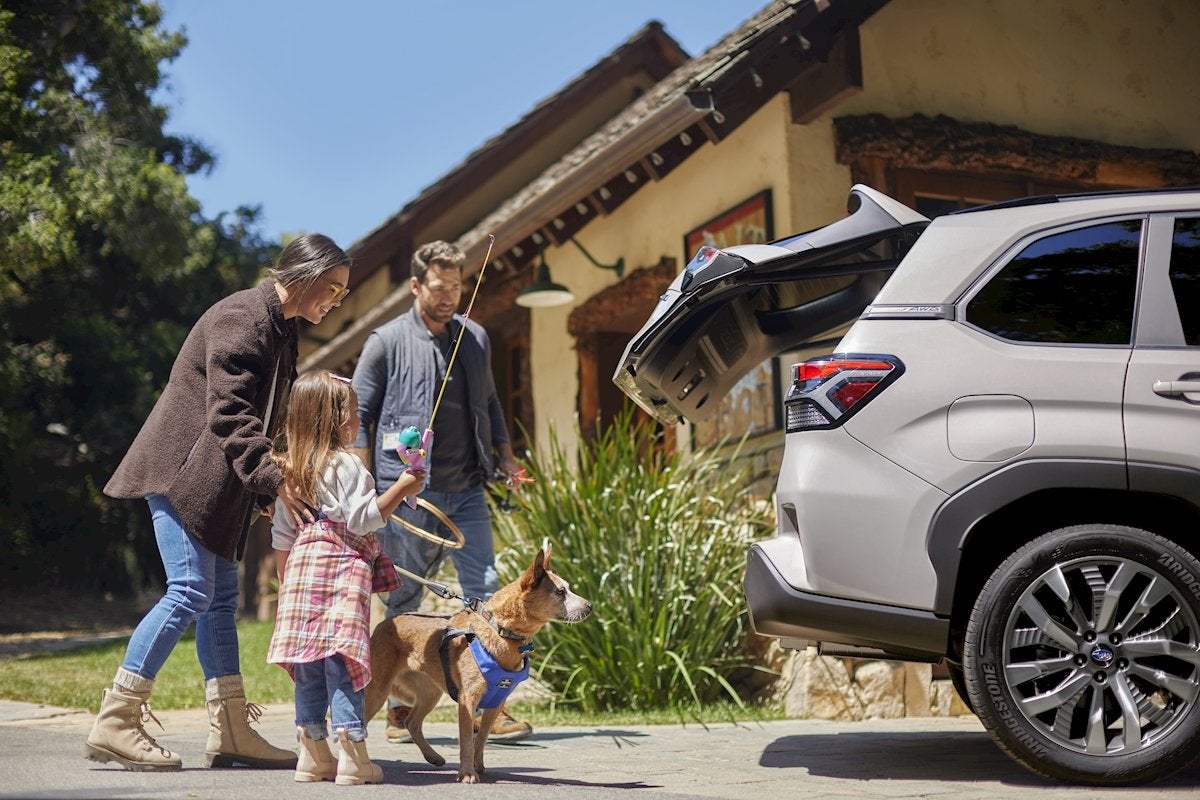
Yes—on most newer Subaru models, like the Outback, Forester, Ascent, and Crosstrek, you can set your rear power liftgate (automatic gate) to open to a specific height. This is especially helpful for drivers with low garage ceilings or those who want easier reach when loading and unloading.

Whether you're in Sandy, South Jordan, Draper, Herriman, Riverton, Bluffdale, or Cottonwood Heights, customizing your Subaru’s liftgate is easy—and our experts at Mark Miller Subaru South Towne are here to help if you need it.

How to Set Your Subaru’s Rear Gate to a Custom Height

For Subaru models with a power rear liftgate (typically 2015 and newer):

  1. Open the liftgate using the key fob, interior dash button, or handle.
  2. Gently push or pull the gate to your desired height.
  3. Press and hold the close button (on the bottom of the liftgate) for about 3 seconds.
  4. You’ll hear a beep—this confirms the new height has been saved.

From now on, your Subaru’s gate will stop at that custom height every time you open it.

How to Reset the Liftgate to Full Height

  1. Open the liftgate.
  2. Manually lift it all the way up.
  3. Press and hold the close button for 3 seconds until you hear the beep.

This resets the gate to its full open position.

Adjust via Touchscreen (If Equipped)

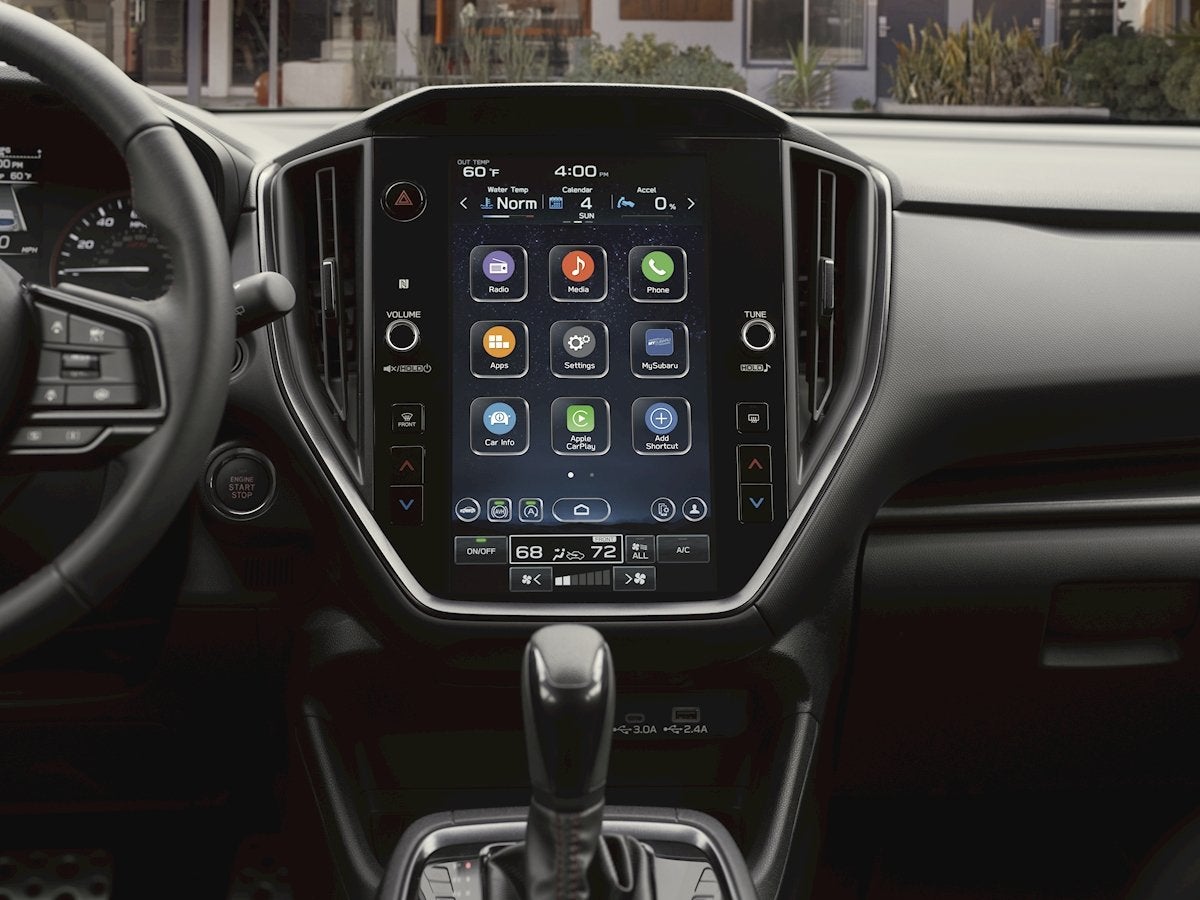
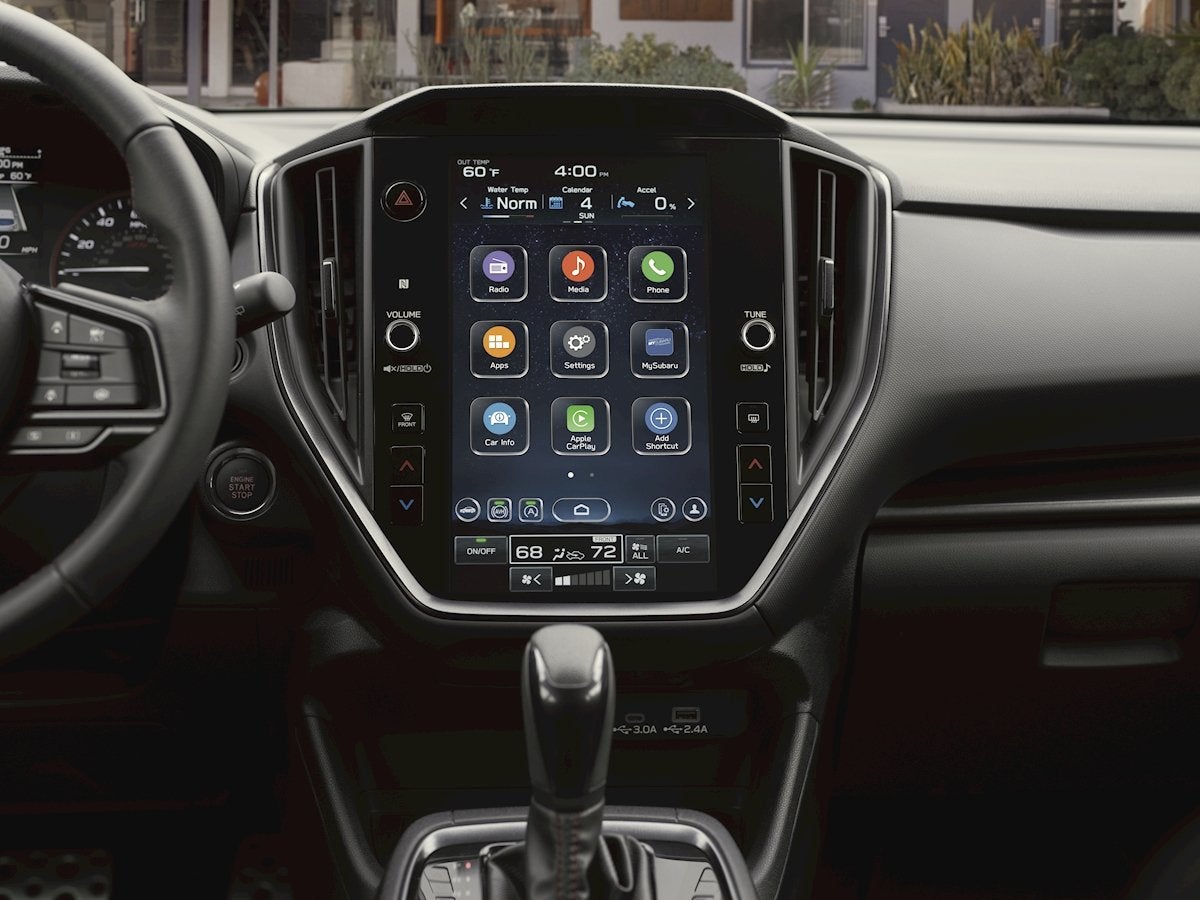
Some Subaru models allow you to adjust the liftgate height through the infotainment system:

Go to:

  • Home → Settings → Car/Vehicle → Power Rear Gate

Then select from options like:

  • Full Open
  • Mid Height
  • Memory Height

Need Help Setting Your Subaru Liftgate?

At Mark Miller Subaru South Towne in Sandy, our team is happy to walk you through setting your liftgate height or personalizing any other feature in your Subaru. We regularly help drivers from South Jordan, Draper, Herriman, Riverton, Bluffdale, and Cottonwood Heights get the most out of their vehicles.

Visit Us or Schedule an Appointment

Whether you're customizing your power liftgate or exploring all the features of your Subaru, we’re here to help.

Schedule service or stop by Mark Miller Subaru South Towne – proudly serving Sandy and the surrounding Utah communities.

📍 Address: 10920 S State St, Sandy, UT 84070
📞 Phone: (801) 553-5200
🌐 Website: markmillersubaru.com
Posted in:

Related Posts

How to Enable or Disable Reverse Automatic Braking (RAB) in Your Subaru | Mark Miller Subaru South Towne

How to Enable or Disable Reverse Automatic Braking (RAB) in Your Subaru | Mark Miller Subaru South Towne

How to Turn Subaru Reverse Automatic Braking On or Off Subaru’s Reverse Automatic Braking (RAB) system is an intelligent safety feature designed to help prevent collisions while reversing. If your Subaru detects an obstacle and you don’t stop in time, RAB can automatically apply the brakes for you. There are some situations where you may need to temporarily disable this feature—like when going through a car wash, backing into a snug garage, or using a trailer hitch or bike rack. Whether you're navigating a snowy Draper driveway, backing into a Sandy garage, or parking in South Jordan, here’s how to turn Subaru’s Reverse Automatic Braking system on or off with ease. How to Adjust RAB Settings by Model For Newer Subaru Models with a Touchscreen (Most 2018+ Outback, Forester, Crosstrek, Ascent, Legacy, etc.) Turn on your Subaru (ACC mode or full ignition). Tap the Home button on the touchscreen. Go to Settings (gear icon). Select Driver Assistance or Safety and Driving Assistance. Tap on Reverse Automatic Braking. Use the toggle or checkbox to enable or disable the system. Exit the menu—your choice will be saved automatically. Note: If RAB is turned off, a yellow warning light may appear on your dashboard. For Older Subaru Models Without a Touchscreen (Some earlier models with physical controls) Make sure the vehicle is in Park and turn the ignition on. Find the RAB OFF button (usually near the steering wheel or center console). Hold the button until the RAB light illuminates—this confirms the system is disabled. Press and hold again to re-enable the feature when you're ready. When to Disable Reverse Automatic Braking RAB is a great tool for everyday safety around Riverton, Herriman, and Midvale, but there are a few specific situations where disabling it may be helpful: Going through a car wash Backing into a tight garage or driveway Using a trailer, hitch, or bike rack Performing manual parking maneuvers in confined areas Just remember to turn it back on afterward to keep your vehicle protected! Need Help with Subaru Safety Features? Whether you're in Sandy, Draper, South Jordan, or anywhere in Utah, the team at Mark Miller Subaru South Towne is here to help. Our experts can walk you through the Reverse Automatic Braking system and all other Subaru EyeSight® technologies—so you’re prepared for any road, in any weather. Schedule Service or Visit Us Today We’re conveniently located near I-15 in Sandy. Come see us or schedule online today. markmillersubarusouthtowne.com

How to Use a Subaru E-Brake and Park Safely on a Hill

How to Use a Subaru E-Brake and Park Safely on a Hill

How to Use an E-Brake and Park on a Hill – Subaru Edition Whether you’re navigating the steep streets of Salt Lake City or parking on a mountain overlook in Big Cottonwood Canyon, knowing how to properly use your electronic parking brake (e-brake) is essential—especially in a Subaru. Built for Utah’s hills, canyons, and snowy driveways, Subarus come equipped with advanced hill-hold and electronic brake systems that make parking on an incline safer and easier than ever. How to Park a Subaru on a Hill (Step-by-Step) Whether you’re parking uphill or downhill, follow these Subaru-specific instructions to stay secure: Parking Uphill (With a Curb) Turn your steering wheel away from the curb. Shift into Park (automatic) or 1st gear (manual). Engage the e-brake by pulling the switch up. Turn off the engine. Parking Downhill (With a Curb) Turn your steering wheel toward the curb. Shift into Park (automatic) or Reverse (manual). Pull the e-brake until the indicator light turns on. Shut off the engine. No Curb? Point Your Wheels Always turn your wheels toward the shoulder or edge of the road so your Subaru won’t roll into traffic. What Is an E-Brake and How Does It Work in a Subaru? Subaru vehicles today typically come with an Electronic Parking Brake (EPB) instead of a traditional handbrake. This system is activated by pulling a small switch near the gear shifter, which electronically engages the rear brakes. Key features of Subaru's EPB: Engages automatically when the vehicle is turned off (select models) Releases automatically when accelerating from a stop (on CVT-equipped models) Integrates with Subaru's Hill Holder System for easier starts on steep inclines Pro Tip: If you drive a manual Subaru like a WRX, you'll still want to master traditional handbrake technique for hill starts. What Is Subaru Hill Holder and How Is It Different? Subaru’s Hill Holder Assist is a separate system that keeps your car from rolling backward when starting on a hill. It works automatically on most modern Subarus when you're stopped on a slope. It does not replace the e-brake—especially for parking. E-brake: Use for parking and emergency stops. Hill Holder: Use for smoother take-offs on inclines. Common Mistakes to Avoid Relying only on Park (P): This strains your transmission. Always engage the e-brake. Not turning the wheels: If your Subaru rolls, your tires should hit the curb—not traffic. Forgetting to disengage manually (manual transmission): On older models, you'll need to release the e-brake before driving. Bonus Tips for Utah Drivers In snowy conditions, clear snow from under your tires and avoid parking on ice patches. If you're camping or parking on a dirt incline, wedge a rock behind your tires as a backup. Always double-check that the e-brake indicator is lit before walking away from your vehicle. Final Thoughts Subarus are built for the mountains, but it’s your responsibility to park safely—especially on Utah’s hilly terrain. Using your electronic parking brake correctly not only protects your vehicle but also prevents accidents and wear on your transmission. If you have questions about how your Subaru’s EPB or Hill Holder system works, the team at Mark Miller Subaru is here to help. Visit us at our Salt Lake City or South Towne locations, or schedule a quick tutorial with our service experts.

What Is AVH (Auto Vehicle Hold) in a Subaru?

What Is AVH (Auto Vehicle Hold) in a Subaru?

What is AVH (Auto Vehicle Hold) in a Subaru? Learn How Subaru’s Brake Hold Feature Makes Driving Easier | Mark Miller Subaru South Towne in Sandy, UT If you’ve noticed the AVH button on your Subaru’s center console and wondered what it does—you’re not alone. AVH stands for Auto Vehicle Hold, and it’s one of Subaru’s most convenient driving features—especially in places like Sandy, Draper, South Jordan, and other traffic-prone areas along the Wasatch Front. YouTube Shorts Embed (Vertical / 9:16) What Does Auto Vehicle Hold (AVH) Do? AVH automatically holds the brake after you come to a full stop, so you don’t need to keep your foot on the pedal. This feature is a game changer during: Long red lights Stop-and-go traffic on Bangerter Highway Hilly drives through Cottonwood Heights or Herriman Once active, AVH keeps your Subaru still—even on an incline—until you press the gas. It works seamlessly with both automatic and CVT transmissions. How to Use AVH in Your Subaru Start your Subaru and buckle your seatbelt. Press the AVH button (located near the gear shift). Look for the AVH indicator light on your dashboard. Stop completely and release the brake—your vehicle will stay in place. To drive again, simply press the gas pedal—AVH will release automatically. To turn AVH off, press the button again. A Few Things to Know AVH resets each time you turn off the engine. It deactivates if you unbuckle your seatbelt or open the driver’s door. It’s not the same as the parking brake—use the parking brake when parking. Why Drivers in Sandy & Salt Lake County Love AVH This feature is ideal for: Daily commutes through Draper, Bluffdale, or South Jordan Stop-and-go driving in school zones or construction Drive-thrus and long traffic lights Utah’s hilly terrain where rollback is a concern Need Help with AVH or Other Subaru Features? Whether you're in Sandy, Herriman, or nearby, our team at Mark Miller Subaru South Towne is here to help you make the most of your Subaru. Schedule a walkthrough or visit us online to learn more.